X
Back to the top
X
placeholder

Join Our Mailing List

Be the first to hear about new arrivals, exclusive discounts, and the latest news.

Subscription to our newsletter open soon.

Don't show this message again

Blog

Blog

CAP Theorem

Misconceptions About the CAP Theorem — Even Among Experienced Engineers

Misconceptions About the CAP Theorem — Even Among Experienced Engineers The CAP theorem remains one of the most discussed yet misunderstood principles in distributed systems. Over the years, I’ve encountered several recurring misconceptions — even among experienced engineers — that distort how we think about data consistency and system design. In this post, I’ll break...
Continue reading

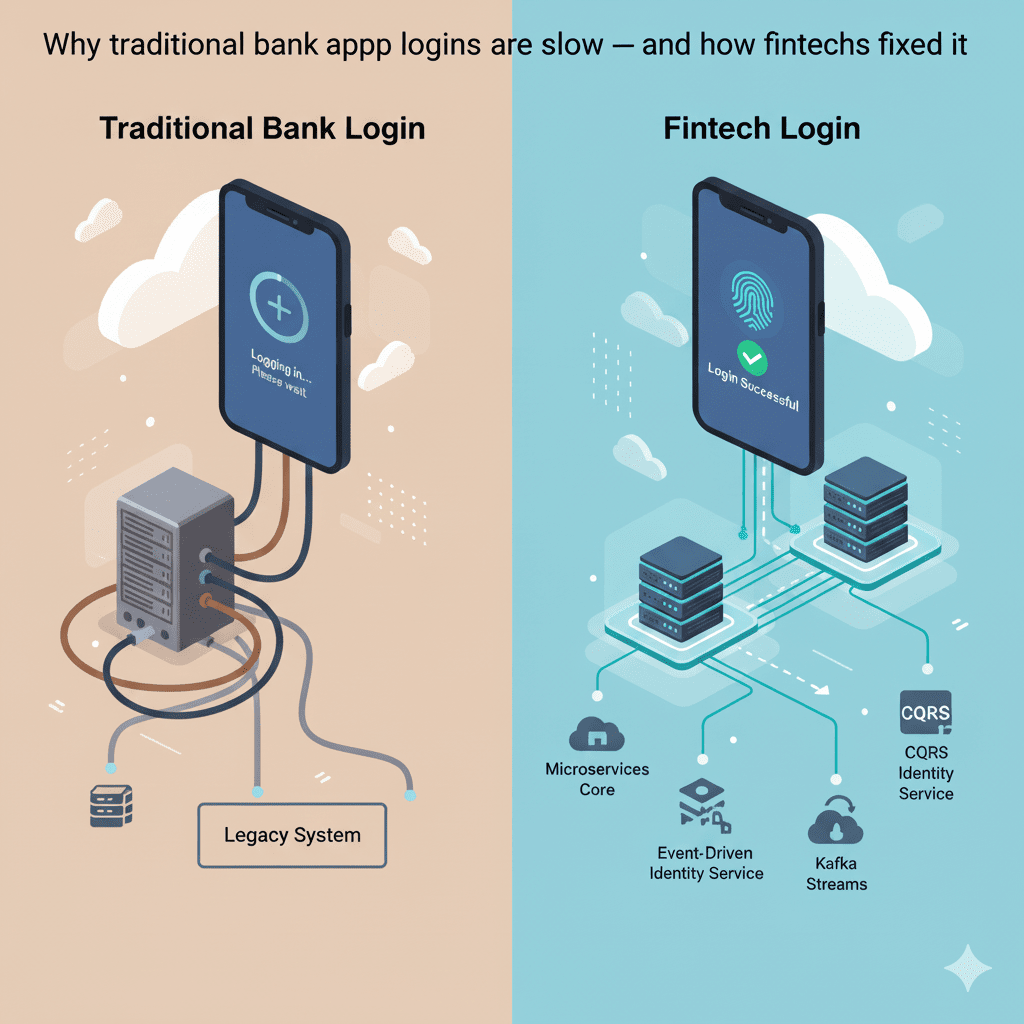
Traditional banks Vs Fintech on performance

Why Traditional Bank Apps in Nigeria Load Slowly — and Why Fintech Apps Feel Instant

Why Traditional Bank Apps in Nigeria Load Slowly — and Why Fintech Apps Feel Instant Why are Nigeria bank app slow? Have you ever noticed that when you log in to some traditional Commercial bank’s mobile app in Nigeria, the screen loads for several seconds before showing your accounts info, balances, and recent transactions? Yet...

Continue reading

Many-to-Many Relationship using Entity Framework or Java JPA.

Design Decision: Final Vendor ↔ Item (Many-to-Many)Relationship in GoProcure (Association + Composition) Introduction As we continue building the GoProcure enterprise procurement system, one of the most crucial design decisions we had to revisit was the relationship between Vendor and Item. At first glance, it might seem simple — “a Vendor supplies many Items.” But in...

Continue reading

Understanding Association, Aggregation, and Composition in Domain Modelling

Understanding Association, Aggregation, and Composition in Domain Modelling When modeling your domain, not all relationships between classes are equal. In Object-Oriented Design (OOD) and Domain-Driven Design (DDD), three core relationship types define how objects relate to each other: Association, Aggregation, and Composition. These relationships go beyond mere “connections” — they express ownership, lifecycle, and dependency...

Continue reading

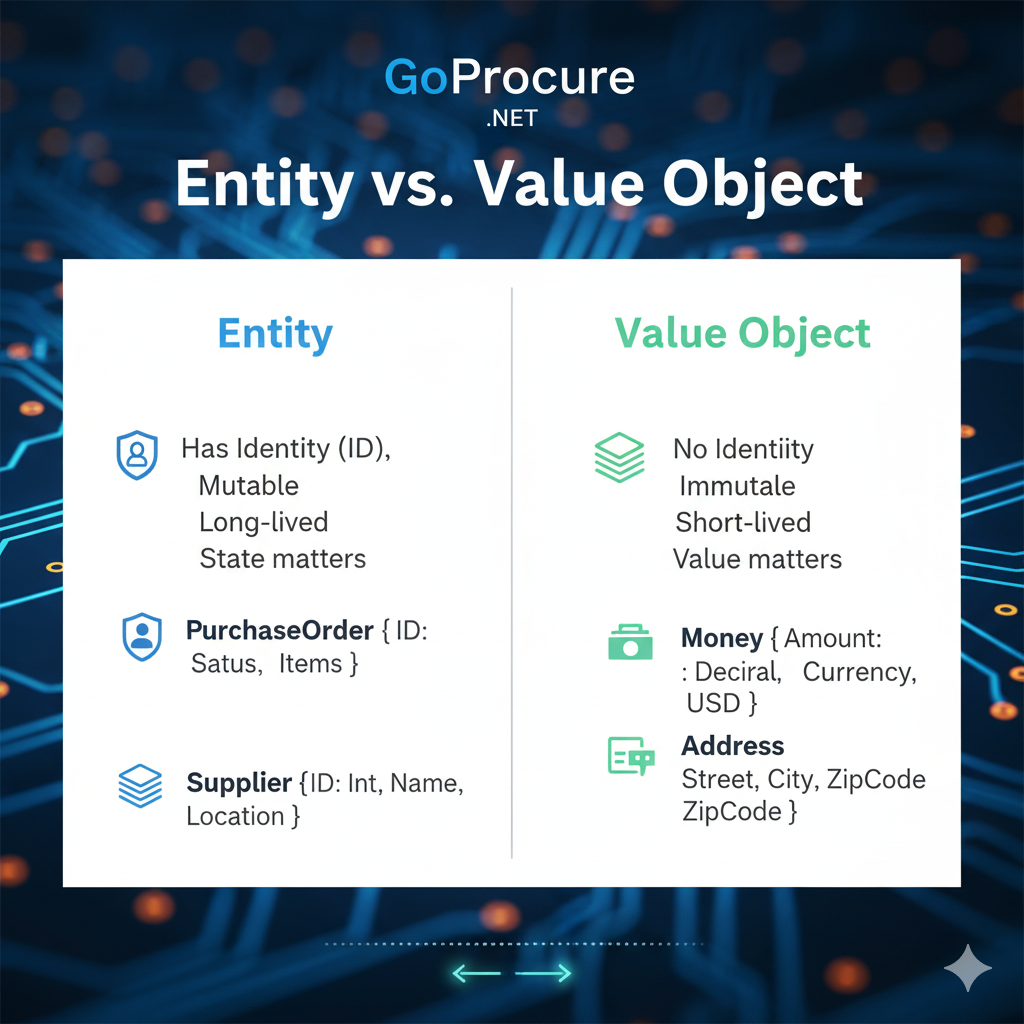
Entity vs value object

Understanding the Difference Between Entities and Value Objects

Understanding the Difference Between Entities and Value Objects in Domain Modelling When designing software using Domain-Driven Design (DDD), one of the first decisions you’ll make is whether a concept in your model should be an Entity or a Value Object.This distinction is crucial — it shapes how you design, persist, and reason about your data....

Continue reading

Understanding Agile: The Tale of Two Engineers and the Power of Iteration

Introduction In software development, few words are as powerful — and misunderstood — as Agile.Many people hear it and think “faster delivery” or “daily stand-ups” — but Agile is much more. It’s a mindset, not a methodology. It’s about progress through iteration, not perfection at once. To make it easier to understand, let’s step away...

Continue reading

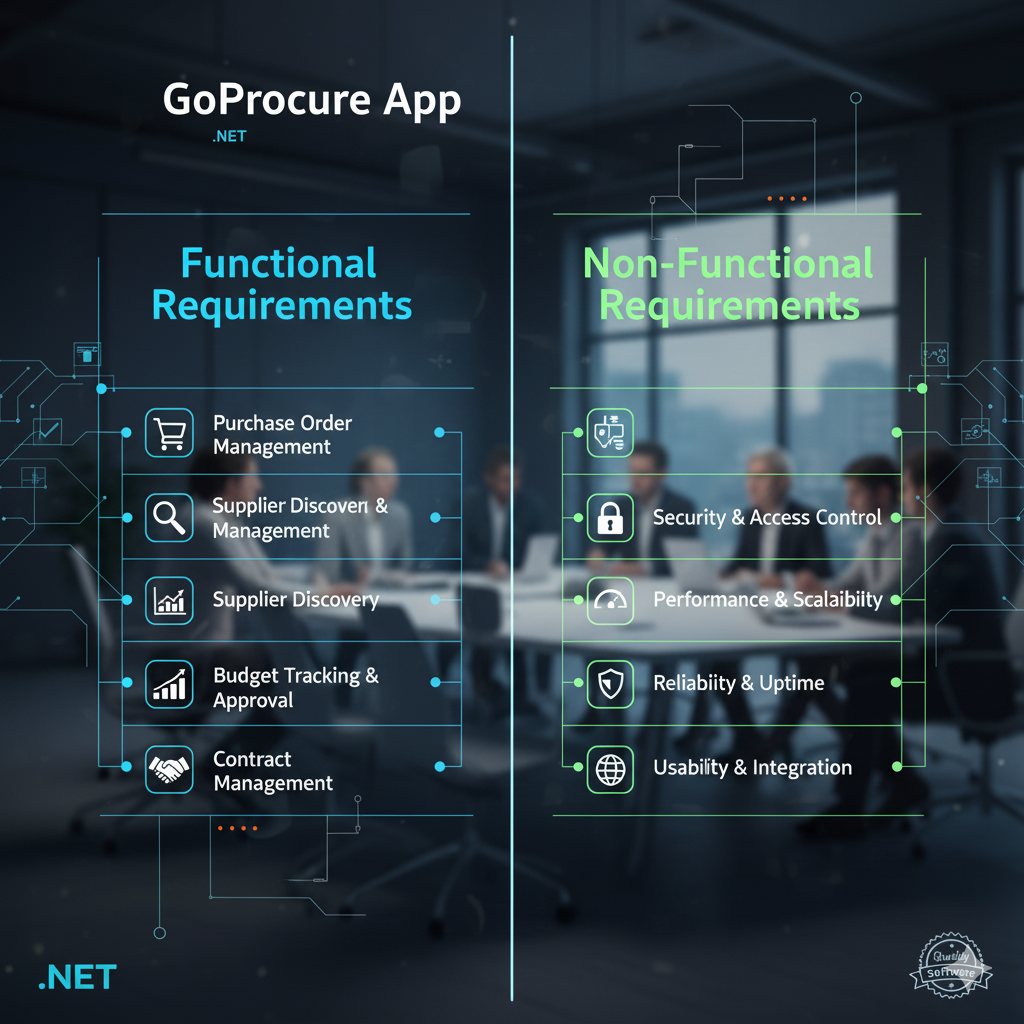
Functional and non-functional requirements

Functional and Non-Functional Requirements

🧠 Functional vs Non-Functional Requirements — Understanding the Heart and Health of a Software System (GoProcure Case Study – #CodeTrip Series) Before we dive into coding, architecture, or deployment, it’s important to understand what we’re really building — not just the features of a system, but also the qualities that make it efficient, reliable, and...

Continue reading

business requirement document for GoProcure Enterprise Procurement System

Sample Business Requirement Document

🧾 GoProcure – Business Requirement Document (BRD) (Phase 1: Requirement Gathering & Analysis – #CodeTrip Series) 🏗️ 1. Introduction GoProcure is an enterprise-grade procurement management system designed to automate and streamline the entire procurement lifecycle — from requisition to payment — ensuring transparency, accountability, and efficiency across departments. This document captures the business, functional, and...

Continue reading